
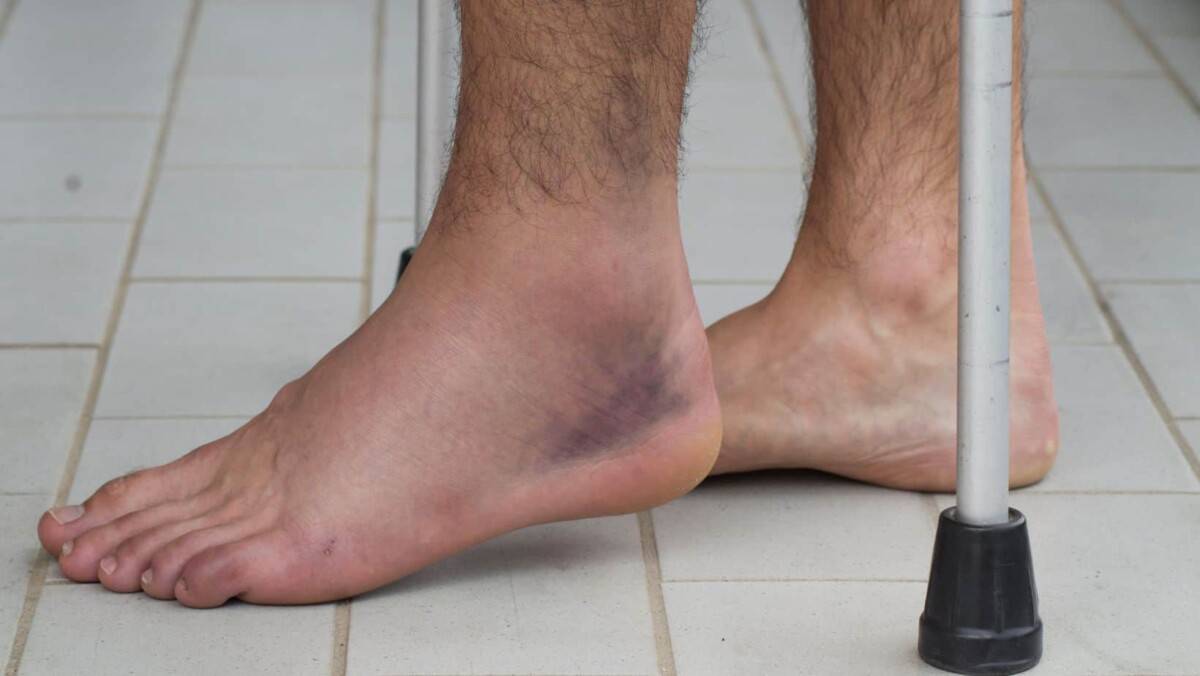
Have you ever twisted your ankle and wondered if it was simply a sprain or something more serious hiding beneath the swelling? Many people face this uncertainty after a sudden fall or awkward step. According to our editor’s research, both injuries can feel nearly identical during the first moments. Pain, swelling and reduced movement overlap so closely that guessing becomes frustrating. Some people treat a break like a sprain and delay proper care. Others panic over a sprain that only needs rest. Understanding the difference helps you respond wisely and avoid unnecessary complications.
What defines a sprain in simple terms?
A sprain affects ligaments. Ligaments connect bones together. They stabilize joints during movement. As a result of our editor’s reviews, sprains often occur after twisting motions. Ligaments stretch beyond normal limits. Some may tear slightly. Others may tear completely. Pain begins quickly after injury. Swelling soon follows. Bruising may appear within hours. Movement becomes uncomfortable. Sprains may vary from mild to severe. Understanding ligament behavior helps identify sprains accurately.
How does a break differ from a sprain?
A break involves the bone itself. Bones support the body’s structure. Breaking disrupts stability immediately. According to our editor’s research, breaks occur after strong force. Falls, impacts or heavy twists may cause fractures. Pain often feels sharper. Swelling may develop rapidly. Bruising can appear quickly. Movement becomes difficult or impossible. Some breaks cause visible deformity. Others remain hidden beneath tissue. Understanding bone response helps distinguish breaks from sprains.
Why do both injuries feel so similar?
Sprains and breaks share early symptoms. Pain affects injured tissue. Swelling increases pressure around joints. As a result of our editor’s reviews, nerves respond similarly to both injuries. Muscles tighten to protect the area. Blood rushes to damaged tissue. This creates heat and discomfort. Bruising occurs in both conditions. Limited movement follows naturally. These overlapping features confuse patients. Understanding symptom similarity prevents rushed decisions.
How does pain location help identify the injury?
Location provides important clues. Sprain pain centers around soft tissue. Ligaments hurt during specific movements. According to our editor’s research, breaks produce pain directly over the bone. Pressing the bone increases discomfort sharply. Sprains may hurt around the joint. Breaks often create pinpoint pain. Movement may worsen both. However bone pain usually feels deeper. Understanding location improves assessment accuracy.
Why does swelling appear differently in each injury?
Swelling protects injured tissue. In sprains, swelling may spread around the joint. Soft tissue absorbs fluid quickly. As a result of our editor’s reviews, sprain swelling may look puffy. Break swelling often appears firmer. The area may feel warm. Rapid swelling may indicate fracture. Slow swelling suggests sprain. However patterns vary among individuals. Understanding swelling helps support early decisions.
How do doctors confirm sprains and breaks?
Doctors use tests for accuracy. Sprains often show normal bone structure. Breaks appear clearly on imaging. According to our editor’s research, X rays identify fractures quickly. MRI scans reveal ligament tears. Physical exams help determine stability. Doctors check movement limitations. They examine tenderness patterns. Each finding supports diagnosis. Understanding testing improves confidence during treatment.
Why do sprains range in severity?
Ligaments vary in damage. Mild sprains stretch fibers slightly. Moderate sprains tear some fibers. As a result of our editor’s reviews, severe sprains cause complete ligament tears. Mild sprains heal quickly. Moderate sprains require more time. Severe sprains may need medical procedures. Symptoms reflect severity. Pain intensity increases with damage. Swelling becomes more pronounced. Understanding severity helps shape recovery plans.
How do fractures differ in complexity?
Fractures appear in many forms. Some cracks remain small. Others split the bone completely. According to our editor’s research, stable fractures stay aligned. Unstable fractures shift position. Open fractures break through the skin. Closed fractures remain internal. Stress fractures develop gradually from repetition. Each type requires specific care. Understanding fracture types clarifies treatment expectations.
Why is weight bearing an important clue?
Weight bearing reveals tissue strength. Sprains may tolerate some pressure. Discomfort appears quickly but gradually. As a result of our editor’s reviews, fractures often reject weight immediately. Sharp pain occurs when stepping. The body resists movement instinctively. Severe sprains may also limit weight. Patterns depend on damage level. Understanding weight reactions supports early judgment.
How can bruising patterns reveal the type of injury?
Bruising results from bleeding tissue. Sprains bruise around soft areas. Breaks bruise directly over bone. According to our editor’s research, bruise color may shift differently. Sprain bruises spread wider. Break bruises appear more intense. Color changes reflect healing stages. Bruises alone cannot diagnose. They support other clues. Understanding bruise behavior improves accuracy.
Why do some sprains feel worse than fractures?
Sprain pain depends on ligament damage. Severe sprains may tear entire fibers. This creates intense pain. As a result of our editor’s reviews, fractures sometimes cause less nerve irritation. Some fractures remain stable. Stable fractures may not generate extreme pain. Sprains sometimes inflame large areas. Ligament swelling increases discomfort. Understanding this difference avoids incorrect assumptions.
How should each injury be treated initially?
Sprains respond well to rest. Ice reduces swelling quickly. Compression supports stability. According to our editor’s research, elevation reduces fluid buildup. Breaks require medical assessment. Immobilization prevents shifting. Splints or casts protect bone alignment. Pain management supports comfort. Both injuries benefit from early attention. Understanding early care keeps recovery safe.
Why does rest matter for sprains?
Rest protects ligaments. Movement increases tearing risk. As a result of our editor’s reviews, rest prevents further inflammation. Tissue healing requires reduced stress. Rest supports collagen rebuilding. Overuse delays repair. Patients often return to activity too soon. This increases reinjury risk. Understanding rest importance encourages patience.
How do casts and splints help fractures heal?
Casts stabilize bone. Splints limit movement. Bones heal through proper alignment. According to our editor’s research, stable positioning reduces complications. Healing time varies with severity. Proper immobilization reduces pain. It prevents deformity. Patients must follow instructions carefully. Understanding immobilization supports recovery.
Why is physical therapy useful for both injuries?
Therapy restores strength. Weakness appears after healing. As a result of our editor’s reviews, ligaments need targeted exercises. Bones require muscle support. Therapy improves balance. It prevents future injury. Stretching restores flexibility. Strength training increases joint stability. Understanding therapy benefits promotes full recovery.
What complications may arise if injuries are ignored?
Ignored sprains may become chronic. Ligaments may heal improperly. Joints may lose stability. According to our editor’s research, untreated fractures may shift. Misalignment causes long term pain. Arthritis may develop in damaged joints. Mobility may decline. Early care prevents complications. Understanding risks encourages responsible action.
How can patients prevent future sprains and breaks?
Prevention involves awareness. Strong muscles support joints. Balanced posture reduces strain. As a result of our editor’s reviews, warm ups protect ligaments. Proper footwear stabilizes movement. Safe equipment reduces accident risk. Listening to body signals prevents overuse. Understanding prevention supports long term health.